Jiu Jitsu Gi Size Guide: A Comprehensive Overview (Updated 02/02/2026)
RollBliss offers a comprehensive guide to BJJ gi sizing, covering men’s, women’s, and kids’ gis, rash guards, and shorts for optimal performance.
Understanding Gi Sizing Fundamentals
Navigating Brazilian Jiu-Jitsu (BJJ) gi sizing can be complex, as variations exist between brands and cuts. Accurate sizing is paramount for comfort, mobility, and adherence to competition regulations. Gis are typically sized using an alphanumeric system (A0, A1, A2, etc.), but these don’t directly correlate to standard clothing sizes.
Understanding that gis often shrink after washing is crucial; anticipate this when selecting your initial size. Athletic cuts are more tailored, while traditional cuts offer a looser fit. RollBliss emphasizes considering your body type and training preferences when choosing a gi, ensuring a secure yet unrestricted experience on the mats.
Why Accurate Gi Sizing Matters
Proper gi sizing directly impacts performance and safety during training and competition. A well-fitted gi allows for a full range of motion, preventing restrictions that could hinder techniques or lead to injury. Ill-fitting gis can provide an unfair advantage – too loose, and an opponent can gain a grip; too tight, and movement is compromised.
Furthermore, accurate sizing ensures compliance with BJJ tournament regulations, avoiding disqualification. RollBliss highlights that a comfortable gi boosts confidence and focus, allowing practitioners to fully immerse themselves in their training. Investing in the correct size enhances the overall BJJ experience.
Key Measurements for Gi Fitting
Accurate gi fitting requires precise measurements beyond just height and weight. Essential measurements include chest circumference, arm length (shoulder to wrist), inseam (inner leg length), and shoulder width. These dimensions determine the gi’s overall fit and prevent issues like excessively long or short sleeves and pants.
RollBliss emphasizes that individual body types vary, so relying solely on standard size charts can be misleading. Taking accurate measurements ensures a comfortable and functional gi. Consider athletic versus traditional cuts, as they differ in fit. Prioritize a snug, yet unrestricted, fit for optimal performance.
Height and Weight Considerations
While height and weight provide a starting point for gi sizing, they are not definitive. Individuals with similar stats can have vastly different builds. A heavier build might require a larger size, even if height is average, to accommodate the chest and shoulders.
Conversely, a leaner, taller individual may need a size up in height but a standard width. RollBliss recommends using height and weight as initial guidelines, but always cross-reference with chest and inseam measurements for a more accurate fit. Don’t solely rely on these factors; detailed measurements are crucial.
Chest and Arm Length Importance
Chest measurement is paramount for gi fit, impacting mobility and comfort during training. A gi that’s too tight restricts movement, while one too loose offers minimal support. Arm length dictates sleeve coverage and prevents constriction during grappling.
Ensure sleeves reach the wrist with a slight bend. RollBliss emphasizes measuring chest circumference at its widest point, keeping the tape measure level. Insufficient arm length hinders technique, and excessive length creates a snagging hazard. Prioritize a snug, yet unrestricted, fit in these areas for peak performance.
Inseam and Shoulder Width Relevance
Inseam, measured from the crotch to the ankle, determines pant length, crucial for preventing tripping or restricted leg movement. Shoulder width impacts gi fit across the back and shoulders, affecting overall comfort and range of motion during dynamic movements.
RollBliss recommends measuring inseam with shoes on, simulating training conditions. A proper shoulder fit avoids constriction and allows for unrestricted arm movement. Too short an inseam limits mobility, while excessive length creates a tripping hazard. Accurate measurements in both areas are vital for a secure, functional gi.
Standard Gi Size Chart (Men’s)
RollBliss provides a standard men’s gi size chart ranging from A0 to A5. A0 typically fits individuals 5’3” to 5’6” and under 170lbs. A1 suits those 5’6” to 5’9” weighing 170-190lbs. A2 is for 5’9” to 6’0” and 190-210lbs. A3 accommodates 6’0” to 6’3” at 210-230lbs. Finally, A4 & A5 are for larger builds, exceeding 6’3” and 230lbs.
These are general guidelines; athletic builds may prefer a smaller size, while broader physiques might need to size up. Always consult specific brand charts, as sizing varies.
A0 Size Details
RollBliss details the A0 size as generally fitting individuals with a height between 5’3” and 5’6” and a weight under 170lbs. Key measurements include a chest circumference of approximately 36-38 inches and a sleeve length around 30-31 inches. The gi jacket’s length typically falls around 27-28 inches.
Pants usually have a 28-30 inch inseam and a waist size of 28-30 inches. However, remember to account for potential shrinkage after washing. This size is ideal for smaller, leaner builds starting their BJJ journey.
A1 Size Details
RollBliss outlines the A1 size as suitable for individuals ranging from 5’6” to 5’9” in height and weighing between 170-190lbs. Expect a chest measurement of roughly 38-40 inches, paired with a sleeve length of approximately 31-32 inches. The jacket length typically measures around 28-29 inches, offering a comfortable fit.
A1 pants generally feature a 30-32 inch inseam and a 30-32 inch waist. As with all gis, consider potential shrinkage. This size accommodates a broader range of body types, providing a balance between comfort and mobility.
A2 Size Details
RollBliss details the A2 size as ideal for individuals between 5’9” and 6’0” tall, with a weight range of 190-210lbs. Expect a chest measurement around 40-42 inches, complemented by a sleeve length of approximately 32-33 inches. The jacket length typically falls between 29-30 inches, ensuring a secure yet comfortable fit during training.
A2 pants usually have a 32-33 inch inseam and a 32-33 inch waist. Remember to account for potential shrinkage, especially with cotton gis. This size is a popular choice, offering a good balance for many practitioners.
A3 Size Details
RollBliss outlines the A3 gi size as suitable for individuals ranging from 6’0” to 6’3” in height, typically weighing between 210-230lbs. Expect a chest measurement around 42-44 inches, paired with a sleeve length of approximately 33-34 inches for optimal coverage and movement. The jacket length generally measures 30-31 inches, providing a comfortable and secure fit.
A3 pants commonly feature a 33-34 inch inseam and a 34-35 inch waist. Always consider potential shrinkage when selecting this size, particularly with 100% cotton gis. This size accommodates a broader build effectively.
A4 & A5 Size Details
RollBliss details A4 gis fitting individuals between 6’3” and 6’6” tall, weighing 230-260lbs, with a 44-46 inch chest and 34-35 inch sleeves. Jacket length is typically 31-32 inches. A5 sizes, for those 6’6”+, 260lbs+, boast a 46-48 inch chest and 35-36 inch sleeves, with a 32-33 inch jacket length.
Pants for A4 usually have a 34-35 inch inseam and 36-37 inch waist, while A5 pants feature a 35-36 inch inseam and 38-39 inch waist. Remember to account for shrinkage, especially with cotton gis, when choosing these larger sizes.
Gi Sizing for Women
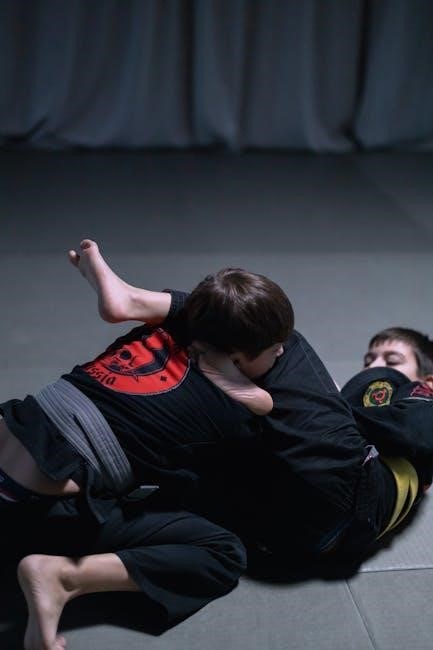
RollBliss acknowledges women’s gis often require a different cut than men’s, prioritizing a tailored fit for the female physique. Women generally have narrower shoulders and a more defined waist. Standard sizes (A1, A2, etc.) can work, but specific female cuts offer improved comfort and mobility.
Expect variations in sleeve length and jacket shape. Women’s size charts may differ slightly from men’s; always consult the brand’s specific guide. Considering a slightly smaller size than typically worn in men’s gis is often recommended for a better fit.
Specific Female Gi Cuts
RollBliss highlights that female-specific gi cuts are designed to accommodate the female form, offering a more athletic and comfortable fit. These cuts typically feature a slimmer profile through the waist and hips, reducing excess fabric that can hinder movement during training and competition.
Shoulder shaping is also crucial, providing a better range of motion. Many brands now offer dedicated women’s lines, ensuring a precise fit. Look for features like shorter sleeves and a tailored jacket length. Prioritizing these cuts enhances performance and confidence on the mats.
Women’s Size Chart Variations
RollBliss notes that women’s gi sizing isn’t always directly convertible from men’s charts; variations exist between brands. While some utilize the standard A0-A5 system, the corresponding measurements differ. It’s vital to consult each brand’s specific chart, focusing on chest, shoulder width, and height.
European and Asian brands often have distinct sizing conventions. Some companies offer sizes like F1, F2, or W1, W2, indicating female-specific fits. Always prioritize measurements over assumed sizes. Comparing your body measurements to the chart is crucial for a proper fit and optimal performance.
Kids’ Gi Sizing Guide
RollBliss emphasizes that accurately sizing a child’s gi is essential for comfort and safety during training. Unlike adult gis, kids’ sizing often relies on age-based recommendations alongside height and weight; However, growth spurts necessitate regular re-evaluation.
Venum offers a Contender Kids BJJ Gi, highlighting the importance of checking size charts. Measurements in both centimeters and inches are crucial for precise fitting. Prioritize chest circumference and inseam length. Remember that kids’ gis typically have less shrinkage than adult gis, so avoid oversizing significantly.
Age-Based Sizing Recommendations
RollBliss suggests using age as a starting point for kids’ gi sizing, but stresses it’s not definitive. Generally, ages 4-6 often fit sizes M0 or M1, while 7-9 year olds may require M2 or M3. However, individual builds vary greatly.
Consider a child’s overall physique; a taller or more muscular child will likely need a larger size than average for their age. Always cross-reference age with height and weight measurements. Venum’s sizing charts provide a useful guide, but prioritize accurate measurements over solely relying on age brackets to ensure a proper fit.
Kids’ Size Chart (CM & Inches)
Here’s a general kids’ gi size chart, noting variations exist between brands like Venum. M0 typically fits heights 90-100cm (35-39 inches). M1 suits 100-110cm (39-43 inches). M2 is for 110-120cm (43-47 inches), and M3 fits 120-130cm (47-51 inches). M4 accommodates 130-140cm (51-55 inches).
Remember these are approximate; always check the specific brand’s chart. Measurements are crucial! Consider chest circumference and inseam alongside height. A slightly larger size allows for growth and shrinkage after washing. Prioritize comfort and freedom of movement for young practitioners.
Understanding Gi Shrinkage
Gi shrinkage is a significant factor when selecting the correct size. Cotton gis typically shrink more than synthetic blends. Expect approximately 5-10% shrinkage in length and width after the first few washes. Pre-shrunk gis minimize this, but some shrinkage still occurs.
To minimize shrinkage, wash your gi in cold water and hang it to dry. Avoid hot water and tumble drying, as these accelerate shrinkage. Following washing and drying guidelines ensures a better, longer-lasting fit. Account for potential shrinkage when choosing your initial size.
Material Impact on Shrinkage (Cotton vs. Blends)
The material composition of a gi dramatically impacts its shrinkage potential. 100% cotton gis are notorious for significant shrinkage, often losing several inches after washing. Conversely, gis constructed with polyester or other synthetic blends exhibit considerably less shrinkage.
Blended gis retain their shape and size more effectively, making them a practical choice for those seeking consistent fit. While pre-shrunk cotton gis offer some reduction in shrinkage, blends generally provide greater predictability. Consider the material when selecting a size, anticipating more shrinkage with full cotton.
Washing and Drying Guidelines to Minimize Shrinkage
To minimize gi shrinkage, adhere to specific washing and drying guidelines. Always wash your gi in cold water on a gentle cycle. Avoid hot water, as it accelerates shrinkage. Use a mild detergent, steering clear of bleach or fabric softeners, which can damage the fibers.
Crucially, avoid machine drying. Hang your gi to air dry, preferably in a shaded area. If machine drying is unavoidable, use the lowest heat setting. Following these steps will help preserve your gi’s size and longevity, maintaining its fit for longer.
Gi Brands and Their Sizing Differences
Gi sizing isn’t uniform across all brands; variations exist, necessitating careful consideration. Venum, a popular brand, often features a more athletic cut, potentially requiring sizing up compared to traditional brands. Other brands may run larger or smaller, impacting the ideal fit.
Always consult the specific size chart provided by the manufacturer before purchasing. Checking reviews from other practitioners can offer valuable insights into a brand’s sizing tendencies. Understanding these differences ensures a better fit and avoids the hassle of returns or exchanges.
Venum Gi Sizing Specifics
Venum gis are frequently noted for their athletic cut, designed for a more tailored and performance-oriented fit. This means they often run slimmer through the shoulders and sleeves compared to traditional, boxier cuts. Consequently, many practitioners recommend sizing up when purchasing a Venum gi, particularly if you prefer a looser, more comfortable fit.
Referencing Venum’s official size chart is crucial, paying close attention to chest and shoulder measurements. Considering the potential for shrinkage after washing, a slightly larger size can be beneficial.
Other Popular Brand Size Variations
Beyond Venum, gi sizing can differ significantly between brands. Some manufacturers, like Tatami, tend to have a more consistent sizing profile aligning closely with standard charts. However, brands such as Kingz often feature a pre-shrunk finish, minimizing shrinkage but potentially resulting in a snugger initial fit.
Always consult the specific brand’s size chart before ordering, as variations in cut – athletic versus traditional – also impact the ideal size. Checking customer reviews regarding sizing experiences can provide valuable insights.
Athletic vs; Traditional Gi Cuts
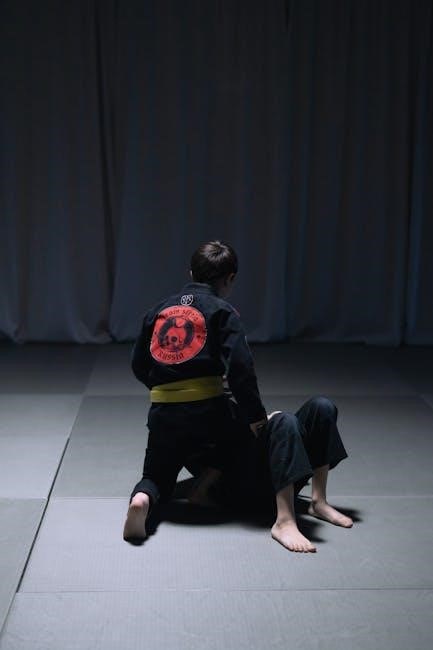
Athletic cut gis are tailored for a slimmer, more modern fit, offering enhanced mobility and reduced excess fabric during dynamic movements. These gis typically feature pre-shrunk cotton and a more sculpted silhouette, ideal for competitive grappling.
Traditional cut gis provide a looser, more classic fit, prioritizing comfort and accommodating various body types. They often have a heavier weight and a more generous cut through the sleeves and pants. Consider your body type and grappling style when choosing between these cuts.
Benefits of Athletic Cut Gis
Athletic cut gis deliver significant advantages for the modern grappler. Their streamlined design minimizes fabric bunching, enhancing freedom of movement and preventing opponents from easily grabbing your gi. The tailored fit reduces drag, improving agility and responsiveness during rolls and transitions.
These gis often utilize lighter-weight, pre-shrunk materials, offering a comfortable and performance-focused experience. They are particularly favored by competitors seeking a competitive edge, providing a secure and less restrictive fit for optimal grappling performance.
Considerations for Traditional Cut Gis
Traditional cut gis offer a looser, more generous fit, appealing to practitioners who prioritize comfort and a classic aesthetic. While providing ample room for movement, this style can present challenges during competition, as the excess fabric offers more gripping opportunities for opponents.
These gis often utilize heavier-weight cotton, resulting in increased durability but potentially more shrinkage after washing. They are a good choice for beginners or those preferring a relaxed fit, but may require adjustments for optimal performance in competitive settings.
Measuring Yourself for a Gi: Step-by-Step
Accurate self-measurement is crucial for finding the perfect gi fit. You’ll need a flexible measuring tape and ideally, a helper. Start by measuring your height and weight as a baseline. Then, measure your chest circumference at its fullest point, keeping the tape level.
Next, determine your arm length from shoulder to wrist. Measure your inseam and shoulder width for a complete profile. Record all measurements carefully, as these will be compared against brand-specific size charts to ensure a comfortable and functional fit.
Tools Needed for Accurate Measurement
Essential tools for precise gi sizing include a flexible measuring tape – fabric or vinyl works best, avoiding metal tapes that don’t conform to body contours. A helper is highly recommended, especially for back measurements like shoulder width. A full-length mirror allows you to visually confirm the tape’s levelness during chest and waist measurements.
Consider a notebook and pen to immediately record each measurement, preventing errors. Finally, access to a brand’s specific size chart (online or printed) is vital for translating your measurements into the correct gi size.
Detailed Measurement Instructions
Begin with height, standing straight against a wall. For chest, measure around the fullest part, keeping the tape level. Arm length: from shoulder point, across the chest, to wrist. Inseam: from crotch to ankle. Shoulder width requires assistance – measure across the back, from shoulder point to shoulder point.
Ensure the tape is snug but not tight. Record all measurements in both inches and centimeters for chart compatibility. Double-check each measurement for accuracy, as even small errors can lead to an ill-fitting gi.
Troubleshooting Common Gi Fit Issues
Sleeves too long can hinder movement; consider a smaller size or washing in hot water. Short sleeves restrict range of motion – size up or explore brands with longer cuts. Pants too long create tripping hazards; a belt can help, but altering is often necessary. Short pants limit mobility.
An overall tight gi restricts breathing and movement, demanding a larger size. A loose gi offers minimal support and can be a grappling disadvantage. Careful measurement and brand research are key to avoiding these issues.
Sleeves Too Long/Short
Long sleeves impede mobility during rolls, creating a snagging hazard and restricting your range of motion. If sleeves extend past your wrists when fully extended, consider downsizing. Conversely, short sleeves severely limit your grappling reach and can feel restrictive. If your wrists are exposed during movement, a larger size is needed.
Washing in hot water can sometimes shrink sleeves, but this is unpredictable. Brand variations significantly impact sleeve length, so researching specific cuts is crucial for a proper fit and optimal performance.
Pants Too Long/Short
Overly long pants create a tripping hazard and bunch around the ankles, hindering movement and potentially leading to sweeps or submissions against you. Hemming is an option, but alters the original fit. Pants that are too short restrict leg movement, limiting your ability to perform techniques effectively and comfortably.
Inseam is critical; measure accurately! Shrinkage affects pants significantly, especially with 100% cotton gis. Consider this when selecting a size, and always check brand-specific sizing charts for accurate guidance.
Overall Gi Too Tight/Loose
A too-tight gi severely restricts your range of motion, hindering technique execution and causing discomfort during training. It impacts breathing and can lead to ripping during intense rolls. Conversely, a too-loose gi offers minimal protection and presents a significant grappling disadvantage, allowing opponents easy grips and control.
Proper fit allows for a full range of movement without being overly baggy. Consider your body type and preferred cut – athletic or traditional – when selecting a size. Accurate measurements are paramount for avoiding this common issue.
Where to Find Reliable Gi Size Charts
Official brand websites, like Venum, are the most dependable source for accurate sizing information, as charts are tailored to their specific cuts and materials. Retailer-specific size guides, such as those offered by RollBliss, can also be helpful, but always cross-reference with the brand’s chart.
Be cautious of generic charts, as sizing varies considerably between manufacturers. Prioritize charts that include detailed measurements and consider recent customer reviews regarding fit. Always double-check before finalizing your purchase to ensure a proper fit.
Official Brand Websites
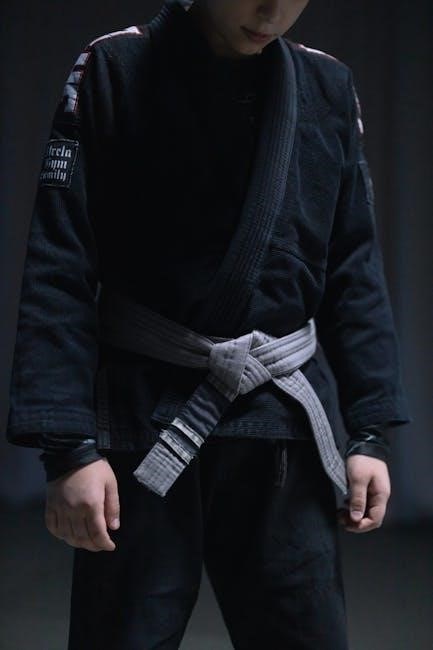
Venum’s official website provides a detailed gi size chart, specifying measurements for each size (A0 to A5) and highlighting their athletic cut. These charts are crucial, as Venum gis often run slightly smaller. Other brands, like Tatami and Kingz, also offer comprehensive sizing guides directly on their sites.
Always prioritize these official resources, as they reflect the most accurate and up-to-date information regarding their specific gi construction and fit. Cross-referencing with customer reviews can further refine your size selection.
Retailer-Specific Size Guides
Many BJJ retailers, such as MMA Warehouse and Fighters Market, provide their own size charts, often incorporating feedback from customers regarding specific brands and cuts. These guides can be incredibly valuable, offering a consolidated view of sizing across multiple brands.
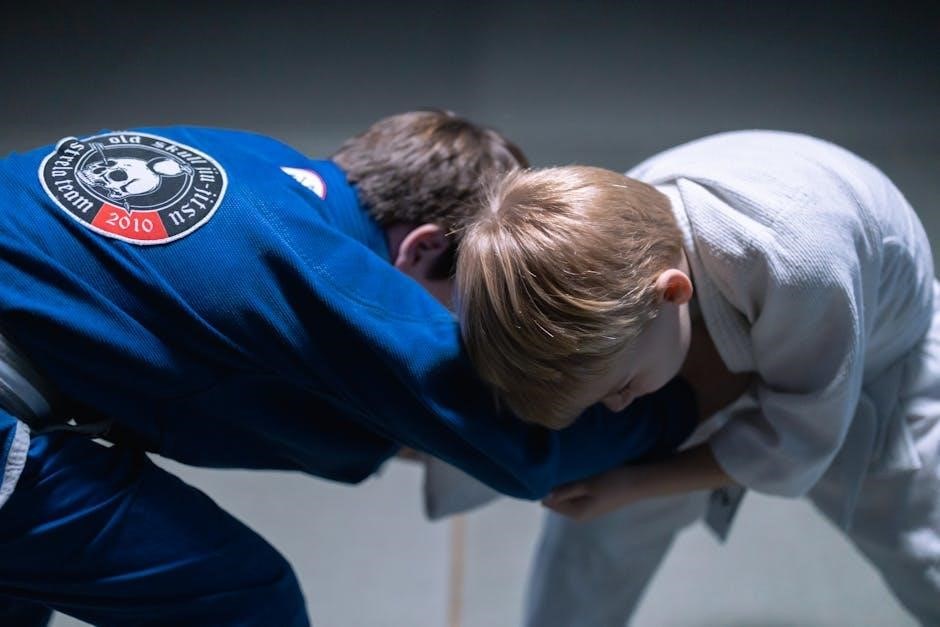
However, remember that retailer charts are interpretations and may not always perfectly align with the official brand specifications. Always double-check against the manufacturer’s chart when possible. Look for retailers that offer detailed measurement instructions and clear return policies.
No-Gi Gear Sizing Considerations (Rash Guards & Shorts)
When transitioning to no-gi training, sizing for rash guards and shorts differs significantly from gis. Rash guards are typically sized based on height and weight, prioritizing a snug, compression fit to prevent riding up during movement. Consult specific brand charts, as sizing varies.
BJJ/MMA shorts are generally sized by waist measurement. Ensure a comfortable range of motion, avoiding overly tight or loose fits. RollBliss provides charts for both, emphasizing performance and durability. Proper fit enhances comfort and prevents distractions during training.
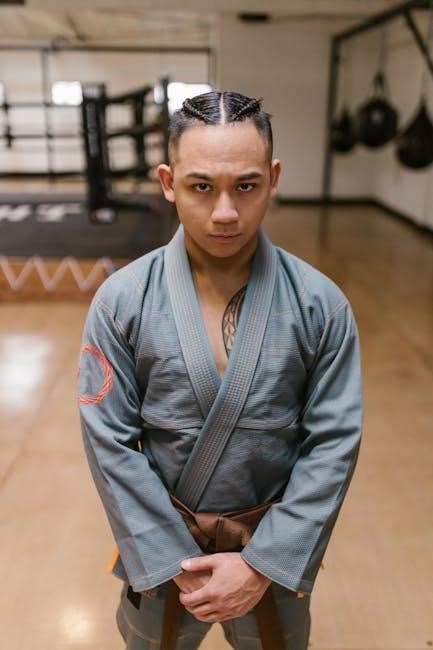
Rash Guard Size Chart
Rash guard sizing focuses on a compressive fit, crucial for preventing movement restriction and skin abrasion. Charts typically categorize sizes by height and weight, offering guidance for chest and waist measurements. A snug fit is ideal, but avoid excessive tightness hindering breathing or circulation.
RollBliss’s chart details specific dimensions for each size, ensuring accurate selection. Remember, brands vary; always consult the individual manufacturer’s guide. Prioritize a rash guard that stays in place during dynamic grappling, maximizing comfort and protection during intense training sessions.
BJJ/MMA Shorts Size Chart
BJJ/MMA shorts sizing generally revolves around waist measurements, with length considerations for grappling range of motion. Charts categorize sizes from Small to Extra Large, often correlating with inch measurements. A secure, comfortable fit is paramount, allowing unrestricted movement during takedowns, submissions, and ground work.
RollBliss provides detailed sizing information, but variations exist between brands. Prioritize shorts with a flexible gusset for enhanced mobility. Consider the intended use – competition rules may dictate specific length requirements. Proper fit prevents distractions and maximizes performance during training and competition.